

Dealing with a stiff lock is more than just a minor annoyance; it’s often the first signal that your home security is at risk. Whether you live in a Victorian conversion in Willesden or a modern flat in Wembley, your door locks work hard every day. Over time, internal components wear down, leaving you vulnerable to lockouts or, worse, easy entry for intruders. Understanding the right time to upgrade can save you from an emergency call-out in the middle of the night.
You should replace a door lock if the key is difficult to turn, the mechanism feels loose, or there is visible rust and wear. Most experts recommend changing locks every 5-7 years or immediately if they don’t meet BS3621 British Standards, ensuring your insurance remains valid and your property stays secure.
3 Warning Signs You Need to Replace a Door Lock
We often get called to properties in Harlesden and Acton where a lock has finally given up the ghost. Usually, the homeowner mentions that the lock had been “acting up” for months. Identifying these three warning signs early helps you stay ahead of total mechanical failure.
1. Difficulty Operating the Key
If you find yourself jiggling, shaking, or forcing the key to turn, the internal pins or the plug are likely worn out. In many North West London homes, especially those with older mortice locks, the internal levers can become misaligned. Forcing a stubborn key often leads to a snapped key inside the cylinder, turning a simple replacement into an emergency extraction. When the smooth “click” turns into a gritty struggle, the mechanism is telling you its time is up.
2. Visible Rust and Metal Fatigue
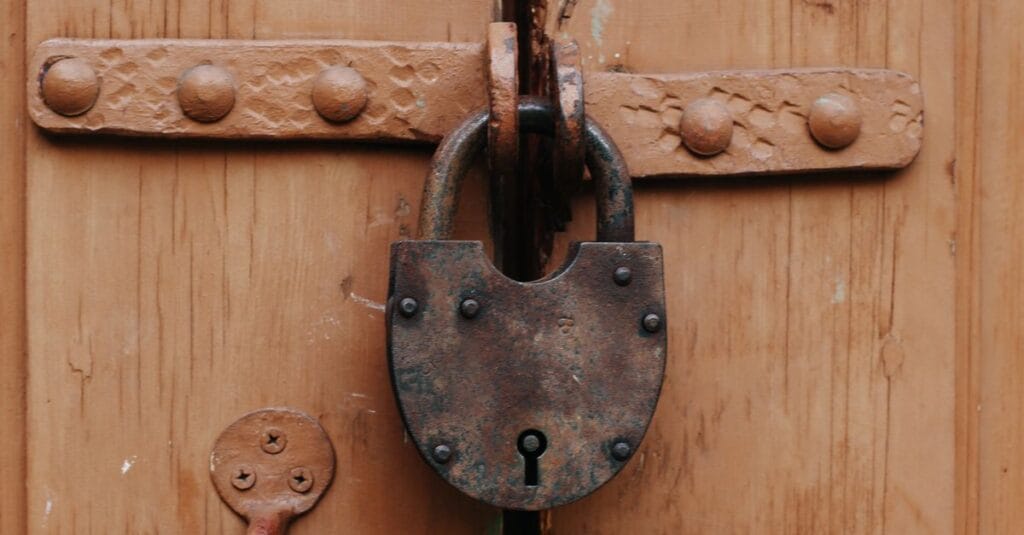
London weather can be harsh on external doors. We see many euro cylinders and night latches in areas like Kensal Rise that have succumbed to corrosion. Rust doesn’t just look bad; it eats away at the delicate springs and pins inside the lock. If you see orange staining or pitted metal around the keyhole, the structural integrity of the lock is compromised. A rusty lock is much easier for a burglar to bypass using “snapping” or drilling techniques.
3. Loose or Wobbly Lock Components
A lock should feel like a solid part of the door. If the cylinder moves when you insert the key, or if the handle feels “spongy,” the internal connections are failing. This is common with multipoint locking systems on UPVC or composite doors in Shepherd’s Bush. When these parts come loose, they can jam the entire door shut, frequently at the most inconvenient moment. Tightening a screw might help temporarily, but it usually indicates that the internal gearbox is reaching the end of its lifespan.
Understanding the Root Causes
Lock failure rarely happens without a reason. Identifying why your security is failing helps you choose the right replacement.
Mechanical Wear and Tear
Every time you turn your key, metal rubs against metal. Over several years, this friction rounds off the sharp edges of the pins and the key itself. We find that high-traffic doors, such as the main entrance to a block of flats in Kilburn, wear out significantly faster than a rarely used side gate. If your key looks “smooth” or thin, it’s a sign that both the key and the lock cylinder need refreshing.
Environmental Factors and Door Alignment
Properties in areas like Camden and West Hampstead often experience slight shifting or “settling.” When a door frame warps or the hinges sag, the bolt no longer aligns perfectly with the strike plate. This puts immense pressure on the lock mechanism every time you close the door. If you have to pull the handle up hard to lock your UPVC door, you are putting the multipoint lock under stress that will eventually cause it to snap.
When to Replace vs. Repair
Not every lock issue requires a full replacement. Sometimes a simple service or a cylinder swap is enough. However, when security is at stake, we usually recommend a fresh start with modern hardware.
| Issue | Recommended Action | Security Impact |
|---|---|---|
| Key sticking occasionally | Lubricate with graphite spray | Low – maintenance required |
| Key snapped in lock | Extract key or replace cylinder | Medium – lock may be damaged |
| Lock body is loose | Full lock replacement | High – easy to bypass |
| Old lock (Non-BS3621) | Upgrade to British Standard | Critical – insurance risk |
Security Upgrades and Insurance Compliance
Sometimes, we suggest replacing a lock even if it seems to be working perfectly. If you’ve just moved into a new property in Park Royal or Ladbroke Grove, you have no way of knowing who else has a copy of your keys. Previous tenants, builders, or estate agents might still have access.
Furthermore, many older London homes still use outdated rim latches or basic cylinders that don’t meet BS3621 standards. In the event of a break-in, insurance providers often refuse to pay out if they discover your locks weren’t up to the required security rating. Upgrading to a 3-star Ultion or ABS cylinder provides “snap-secure” protection, which is vital for modern home security.
How AMZ Locksmith Solves Your Lock Issues
When you notice When to Replace a Door Lock: 3 Warning Signs, we provide a professional assessment to ensure your home remains a fortress. Our team covers Acton, Wembley, Neasden, and the surrounding North West London areas with a fully stocked van of high-security parts. We don’t just “fit a lock”; we ensure the door is aligned, the strike plate is secure, and the hardware meets your insurance requirements.
As UKLA members and DBS-checked professionals, we focus on non-destructive entry and transparent pricing. Whether it’s a UPVC door repair in Cricklewood or a burglary repair in Queen’s Park, we arrive quickly to restore your peace of mind. We carry a wide range of British Standard mortice locks, Yale locks, and euro cylinders to complete most jobs in a single visit.
Frequently Asked Questions (FAQs)
How long should a standard door lock last?
Most quality door locks, like those from Yale or Era, are designed to last between 5 and 10 years. However, factors like weather exposure and how often the door is used can shorten this lifespan. If you live near a busy road or in a damp area, you might need a replacement sooner due to dirt and moisture buildup.
Can I just change the cylinder or do I need a whole new lock?
In many cases, especially with UPVC or composite doors, you can simply replace the euro cylinder. This is the part where the key goes in. If the actual handles or the locking strips inside the door are failing, you will likely need a more comprehensive lock replacement.
Why does my lock work when the door is open but not when it’s closed?
This is almost always an alignment issue. The door or the frame has likely shifted, meaning the bolt isn’t hitting the hole in the strike plate correctly. This is very common in older properties in Harlesden. While the lock itself might be fine, the constant pressure will eventually break it if the alignment isn’t fixed.
What does BS3621 mean and why do I need it?
BS3621 is a British Standard for locks that can be deadlocked and are resistant to picking, drilling, and bumping. Most UK home insurance policies require your front and back doors to have at least one lock that meets this standard to remain valid.
Is it worth upgrading to a “smart” lock?
Smart locks offer convenience, but we always recommend they are backed up by a mechanical British Standard lock. If you are considering an upgrade in Wembley or Brent, ensure the smart lock you choose has high-level encryption and a physical override in case the battery fails.
Keep a close eye on your security and don’t wait for a total failure before searching for When to Replace a Door Lock: 3 Warning Signs.